Bacteriostatic Water Explained: A Guide for First-Time Readers
Bacteriostatic Water Explained: A Guide for First-Time Readers
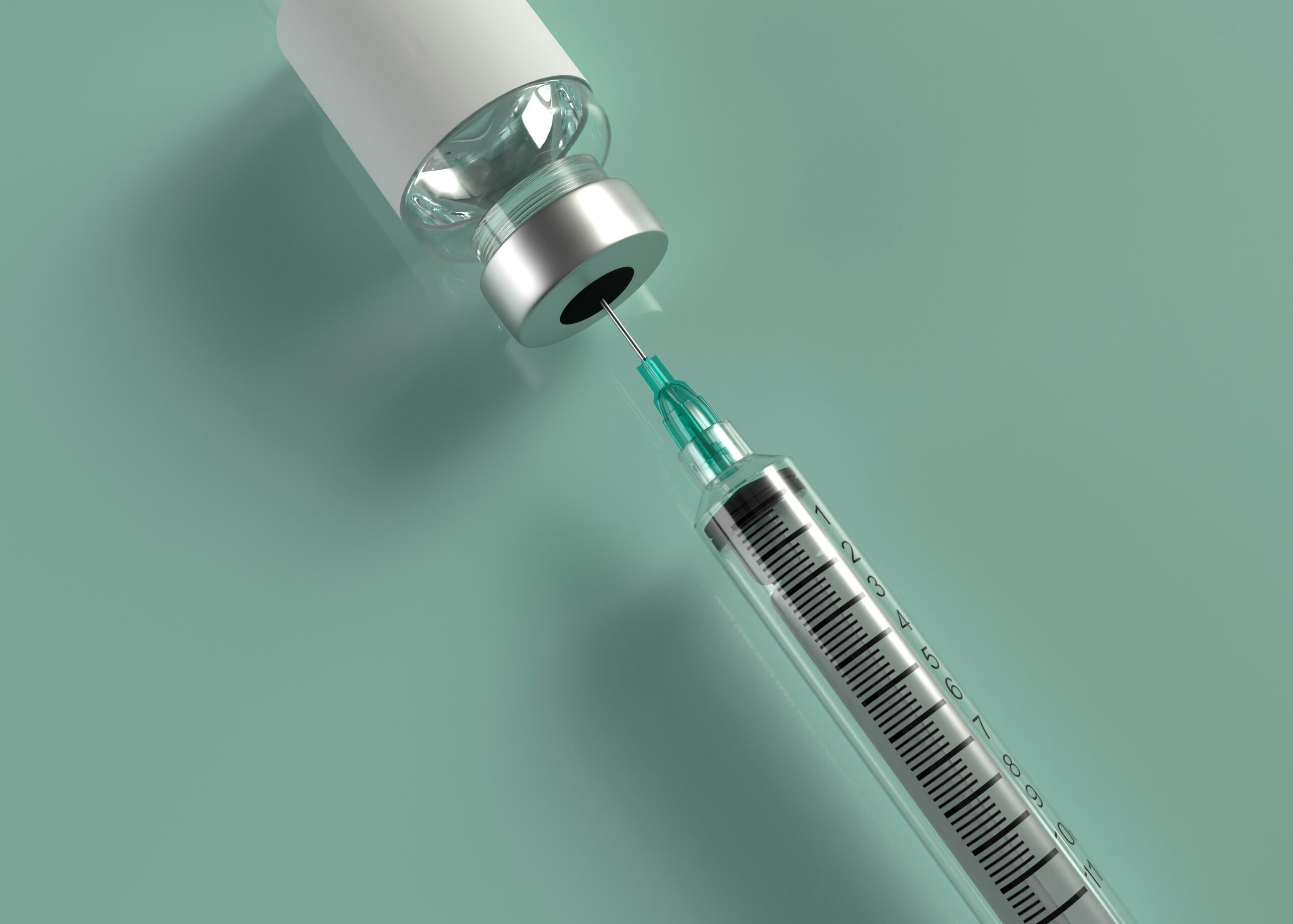
A vial of bacteriostatic water can look surprisingly ordinary. It contains clear liquid, carries medical labeling and may be described with terms such as “USP,” “nonpyrogenic” and “multiple-dose.” None of those words means the water is a medicine to inject by itself.
For a first-time reader, the best starting point is its purpose: bacteriostatic water is a diluent used with certain injectable medications. Understanding that role makes the label, the preservative and the handling rules easier to interpret. This guide is educational; a pharmacist or clinician should confirm any medication preparation and its suitability for the patient.
What the name means
Bacteriostatic Water for Injection is sterile water containing benzyl alcohol as an antimicrobial preservative. “Bacteriostatic” refers to inhibiting bacterial growth, not to making every germ disappear.
The preservative supports repeated withdrawals from a multiple-dose container under appropriate aseptic conditions. It does not make a contaminated vial safe, remove the need for clean handling or give the contents an unlimited usable life.
Many vials contain 0.9% benzyl alcohol. However, Pfizer’s prescribing information describes preparations containing either 0.9% or 1.1%. Read the actual formulation rather than assuming that an abbreviation or familiar package identifies it completely.
The water’s role is to carry or dissolve a medication when that medication’s instructions permit this diluent. It is not intended to treat a condition on its own. Its suitability depends on the complete preparation, the patient and the intended route.
This distinction is worth keeping in mind whenever an online description emphasizes a water product’s brand or purity. Product quality does not establish compatibility with every medicine.
A short guide to the label vocabulary
Several terms describe different aspects of the product. They are related, but they should not be treated as interchangeable promises of safety.
Sterile describes the absence of viable microorganisms under the relevant product requirements. It does not mean the contents cannot become contaminated after opening or mishandling.
Nonpyrogenic concerns fever-producing substances. It is distinct from sterility: killing microbes does not necessarily remove every substance associated with them. The word does not exempt a vial from inspection or storage requirements.
USP stands for United States Pharmacopeia and refers to applicable quality standards. It is not a statement that the diluent is appropriate for every patient or injectable drug.
Diluent means a liquid used to dilute or dissolve a medication. The medication’s directions identify the appropriate liquid and how it should be used.
Reconstitution means preparing a medication from a form such as a dry powder by adding its specified liquid. It is not simply a general invitation to add water to any powder.
Multiple-dose describes a container intended for repeated withdrawals under its handling requirements. The volume in the container is the supply quantity, not the amount of medicine a person should receive.
Together, these terms help identify the product. The full instructions are still needed to determine what to do with it.
How it differs from other clear liquids
Preservative-free Sterile Water for Injection lacks the benzyl alcohol found in bacteriostatic water. That difference can matter for medication compatibility and patient safety.
A single-dose container must be managed according to its single-dose instructions. It should not be saved for repeated use merely because it contains more liquid than one preparation requires. A rubber stopper or a convenient size does not override the label’s designation.
Saline contains dissolved sodium chloride and is another distinct product. Depending on the medication, its instructions may specify saline, preservative-free sterile water or a particular preserved diluent. Those choices cannot be replaced by whichever liquid happens to be available.
Household distilled water, drinking water and laboratory water are not substitutes for a prescribed injectable diluent. The words “distilled,” “clean” or “pure” do not establish the necessary medical product specifications.
When two products look alike, compare their full names, formulations and intended uses. If the pharmacy’s directions and the product label do not seem to match, ask before proceeding. Guessing from appearance is not a safe way to resolve the difference.
What diluting and reconstituting involve
Some medicines are supplied as powders because their formulation requires preparation before use. Others are supplied as liquids that may need dilution. Bacteriostatic water is suitable only where the medication manufacturer permits it.
The instructions establish the liquid to use, the preparation requirements, the intended route and any storage period after preparation. A pharmacist can explain these directions and address compatibility questions.
Adding the water creates a prepared medication with characteristics different from the original diluent. Its concentration, stability and suitability depend on the medicine and the preparation instructions. The water vial’s label cannot answer those questions by itself.
Research products need a separate distinction. A research-only compound does not become approved or safe for human administration because it is combined with a medical diluent. Laboratory protocols also are not instructions for self-injection.
First-time users should therefore learn what the terms mean without treating a general article as a mixing guide. Doses, quantities and administration technique belong in the patient-specific instructions supplied by the healthcare team.
Why route and patient restrictions matter
“For injection” is not permission to inject the water alone. Pfizer’s labeling describes this product as a diluent for drugs administered intravenously, intramuscularly or subcutaneously according to the medication manufacturer’s instructions.
The water is not a fluid-replacement product. Intravenous administration without a solute may cause hemolysis, or damage to red blood cells. The preparation must be made approximately isotonic before use, meaning that its dissolved-particle concentration must be appropriately balanced for the intended preparation.
A lay reader does not need to calculate that balance from an online article. The useful action is to confirm the prescribed diluent and let qualified professionals resolve the medication’s requirements.
Benzyl alcohol also creates patient restrictions. Pfizer’s labeling prohibits solutions containing it in neonates because of potential toxicity and states that pediatric safety and effectiveness have not been established. A child’s preparation requires direct review by the treating clinician and pharmacist, rather than extrapolation from adult use.
Preparations containing benzyl alcohol must not be used for epidural or spinal anesthesia procedures. Known reactions to preservatives also should be discussed with the healthcare team. These questions cannot be settled by choosing a familiar manufacturer or a smaller vial.
What a product listing can tell you
A listing can show the stated manufacturer, formulation and total volume. It is a starting point for identifying a product, not independent proof of clinical suitability or the condition of the shipment.
The Hopspira Bacteriostatic water listing describes a 30 mL Pfizer Hospira product containing 0.9% benzyl alcohol. Compare those stated specifications with the instructions provided by the pharmacy and then read the actual vial label when it arrives.
The delivered container should have readable product identification, lot information and an expiration date. Check its condition and retain the packaging or records needed to address a problem. Brand imagery and customer reviews do not replace supplier checks appropriate to your location and intended use.
Vial size is also worth discussing with the pharmacist. A larger supply may leave more unused liquid at the discard date. A lower price per milliliter does not necessarily reduce the cost of a treatment if the remainder cannot be kept.
Ask how the product should be stored, what to do about a damaged shipment and whether its presentation suits the prescribed use. Those practical questions are more useful than a general claim that one water brand is “best.”
Why an opened vial has another deadline
Two dates can apply to the same water vial. The printed expiration belongs to the manufacturer’s shelf-life instructions. Opening a multiple-dose container adds an in-use period.
The CDC injection safety checklist says to date multiple-dose vials when first opened and discard them within 28 days unless the manufacturer specifies a different, shorter or longer date for that opened vial. The in-use period must never exceed the original expiration date.
Record the opening and applicable discard dates without obscuring the original label. If an earlier expiration applies, opening the vial does not create extra time. If the manufacturer provides a specific opened-vial instruction, that instruction needs to be incorporated into the plan.
The prepared medicine has a separate deadline. Its usable period and storage requirements come from the medication’s instructions, not from the water vial’s date. It may require prompt use or other particular handling.
Never transfer the water’s general 28-day guidance to every medication prepared with it. Ask the dispensing pharmacist how each container should be labeled so the two clocks are easy to distinguish.
What safe handling means for a beginner
Repeated entry into a vial creates opportunities for contamination. The preservative is not a replacement for aseptic technique, and a clear appearance cannot prove that sterility has been maintained.
The CDC checklist calls for hand hygiene, a clean preparation area, alcohol disinfection of the rubber stopper and a new sterile needle and syringe for each entry. Changing only the needle on an already used syringe is not enough.
Multiple-dose vials should be dedicated to individual patients whenever possible. Do not assume that a shared container is acceptable simply because its label permits repeated withdrawals. Healthcare services need the appropriate infection-control arrangements for any shared use.
Follow the product’s storage instructions rather than assuming refrigeration helps. Inspect the solution and package as directed, and stop if there are unexpected particles, discoloration, damage or concerns about contamination. Seek professional advice about replacement and disposal rather than trying to salvage questionable contents.
Before preparing any prescribed medicine, make sure you know which diluent is required, which dates apply and whom to contact if something goes wrong. Ask for training suited to the treatment setting and an appropriate plan for sharps disposal.
Bacteriostatic water becomes easier to understand once its limits are clear: it is a specified diluent, not a medicine, a universal mixing liquid or a guarantee against infection. Read the full label and keep medication-specific decisions with the pharmacist and treating team.