5 Daily Habits That Are Secretly Wearing Down Your Tooth Enamel
The majority of enamel damage isnot a result of neglect, but rather a result of habits people are proud of: like the morning ritual of lemon and warm water, brushing your teeth straight after eating, or using a toothpaste that promises a dazzling white smile. If you’re noticing sensitivity, the edges of your front teeth starting to look transparent, or a dull aching pain after eating something cold, it may be time to break out of your “healthy” habits.
Sipping Acidic Drinks All Day
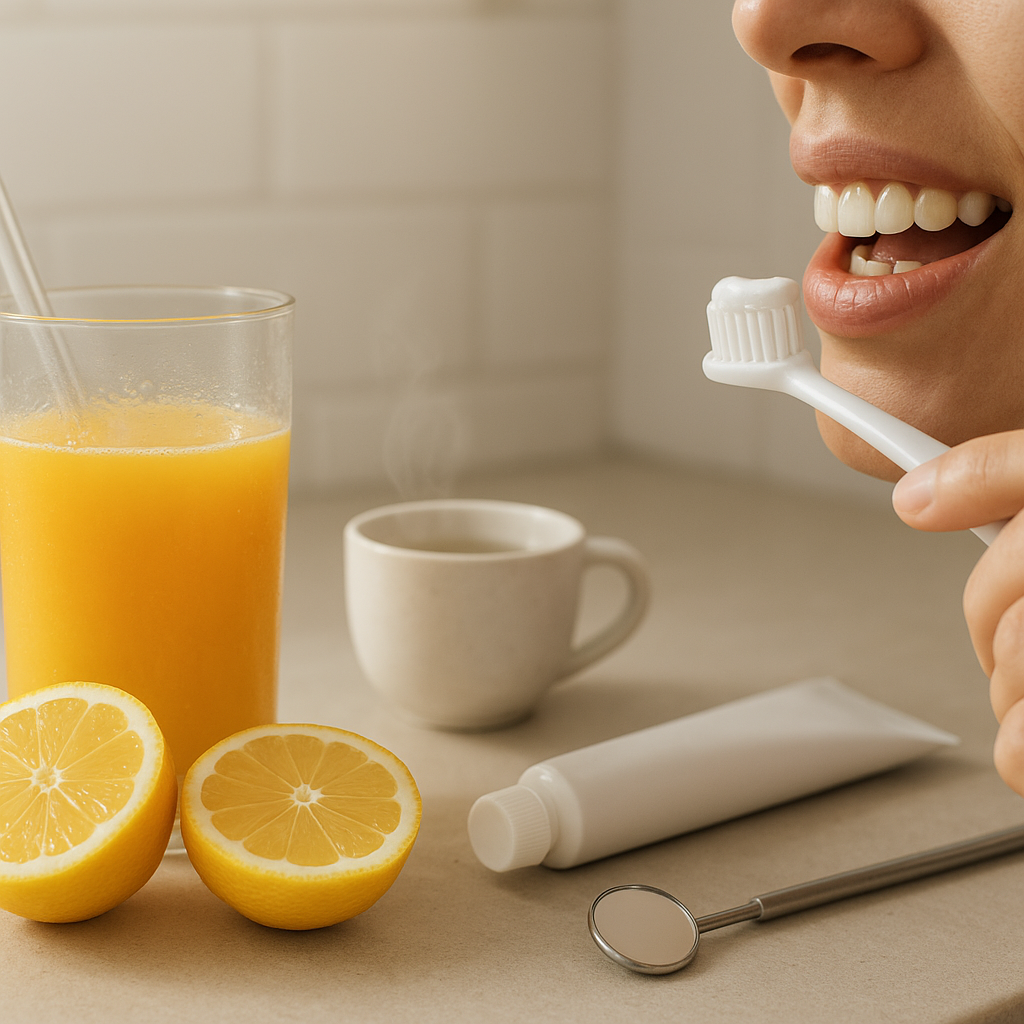
Drinking a glass of orange juice quickly is not the same as sipping it over two hours. When acid is at work in your mouth, saliva has to work hardest simply to wash that acid right out. Saliva can, after all, remineralize enamel that has started to break down, but it needs time between acid exposures to do it.
Sports drinks, diet sodas, and fruit juice are all pretty close to the pH level at which your enamel will start to dissolve (about 5.5 according to most sources, including the WHO), and your saliva will never have a chance if you’re sipping your drink all morning. If you must drink something acidic, slam it down and rinse with water right after.
Brushing Too Soon After Eating
This may be surprising as it seems like the right thing to do. Acidic food and drink temporarily softens enamel. Brushing when it’s in this weakened state will physically scrub away the outer surface. You’re not cleaning your teeth at that point – you’re abrading them.
It’s best to wait 30 to 60 minutes after eating before grabbing your toothbrush. In the meantime, drinking water or rinsing your mouth helps neutralize the acid and gives saliva time to do its job.
How You Brush Matters As Much As When
Many people naturally assume that the harder they brush, the cleaner their teeth – and by extension, their overall dental hygiene. However this is not the case. Scrubbing vigorously with medium or firm bristles acts like sandpaper on enamel, particularly near the gumline. Over time, this wears down the root surface and can expose dentin – the softer, yellowish tissue underneath enamel that’s far more sensitive.
Instead, try brushing with a softer brush in small circular motions. The bristles do the work. Pressure is counterproductive.
If you’re already noticing sensitivity along the gumline, it’s worth getting an assessment. A Dentist in Cannington can evaluate the degree of wear and discuss options like fluoride treatments or dental bonding to protect areas where enamel loss has already occurred.
Teeth Grinding You Don’t Know About
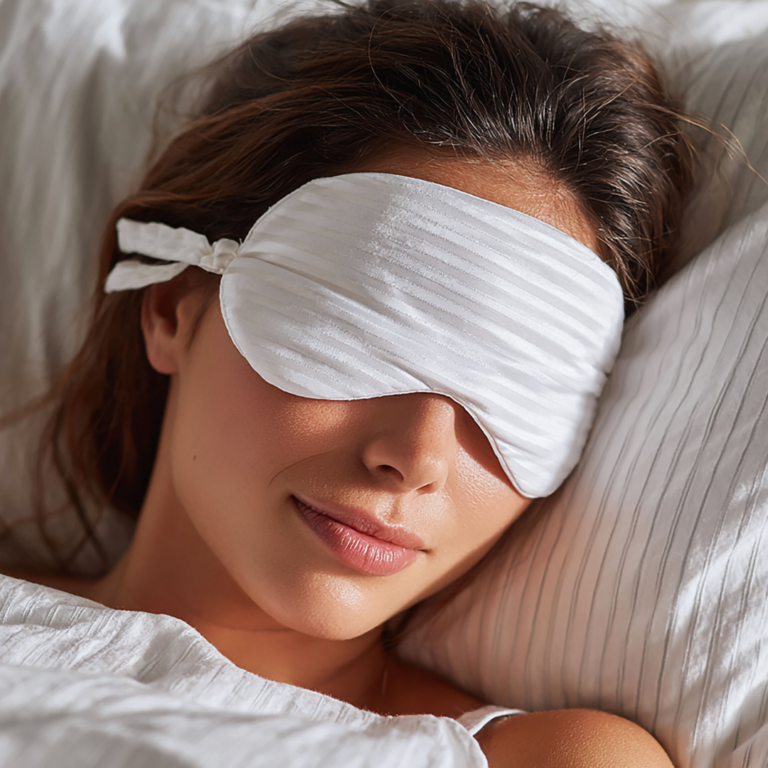
Teeth grinding or clenching (bruxism) is a common problem. Often the person affected doesn’t realise they’re doing it, especially if it occurs during sleep. It can lead to damaged teeth, jaw disorders, and headaches. It’s important to wear a mouthguard if you grind your teeth. Bruxism is most often thought to be caused by stress. However, no one cause has been proven. Other causes may include sleep disorders or a poor bite.
The physical pressure from grinding is significant. It flattens chewing surfaces, creates micro-fractures in enamel, and chips away at teeth in ways that acid erosion doesn’t. A night guard can interrupt the pattern while you sleep. If you wake up with jaw soreness or headaches, that’s a reliable sign something’s happening overnight.
DIY Whitening Products
Charcoal and baking soda can remove stains from teeth by physically scraping them off, but if you use them regularly over time you lose the enamel’s protective layer forever. Enamel gets worn down over the years by normal chewing, but acidic or abrasive substances speed up the process. Many foods and habits can make whitening toothpaste too harsh to use every day.
If whitening is a priority, fluoride-based products and dentist-supervised treatments are far less destructive to the tooth structure.
Small Adjustments With Real Consequences
Taking care of your enamel doesn’t have to come with a wholesale change. The tweaks suggested for these habits are easily doable – drink those acidic beverages a little faster, wait just a bit longer before brushing, buy a different toothbrush next time. None of it is particularly complicated.
The harder part is that some of these habits are the kind of self-care that we’ve been taught is inherently good. But enamel wear tends to be insidious. It’s easy and painless until you notice a bit of sensitivity or your dentist mentions some damage during one of those regular appointments. By then, you’re looking down the barrel of treatment necessary to keep your teeth healthy and functional.
And that’s the trick of enamel health: the time to act isn’t when the damage is visible but all that time before.