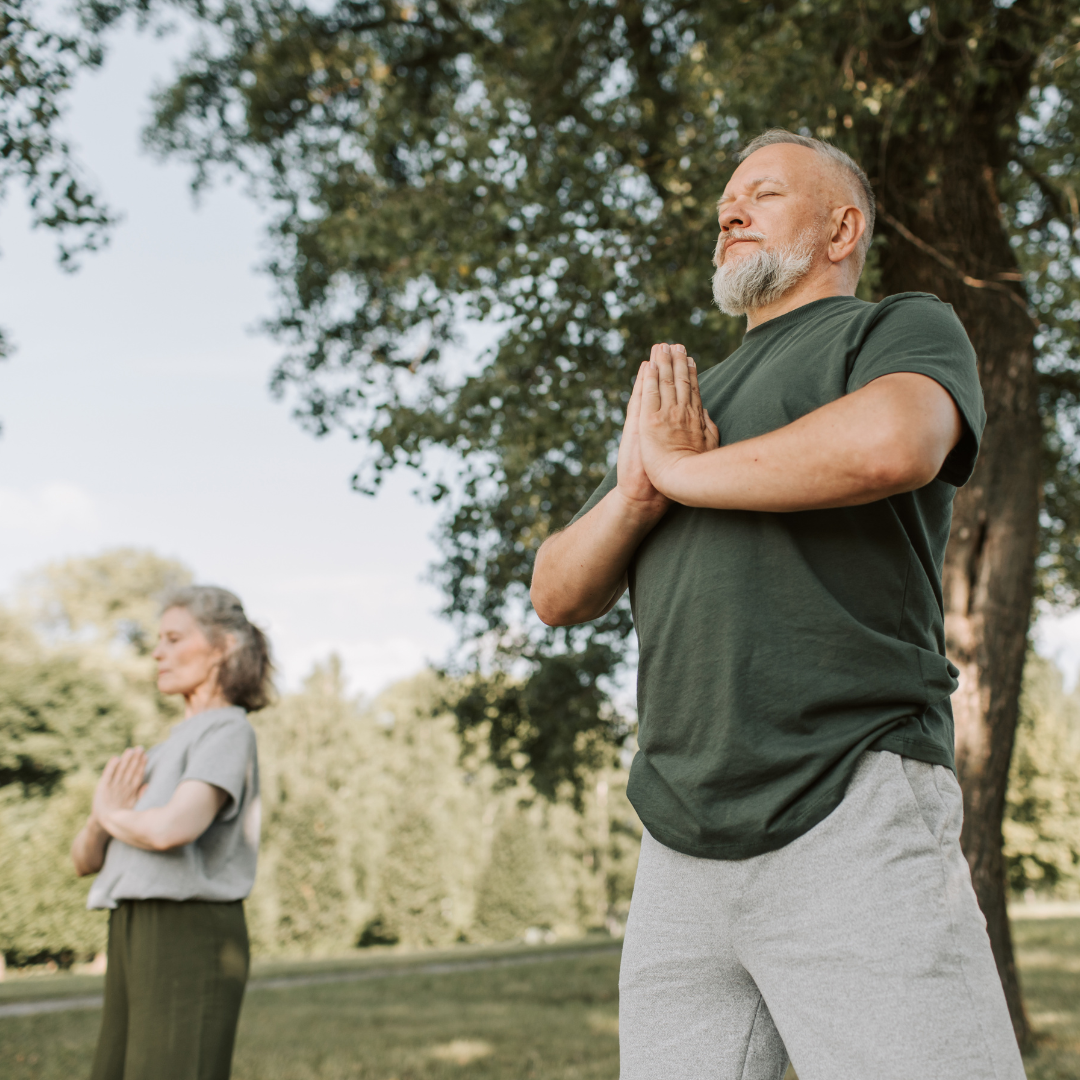
Best Ways to Improve Overall Wellness for a Balanced and Healthy Life
Improving overall wellness involves a balanced approach that includes physical activity, proper nutrition, quality sleep, and stress management. Each of these areas plays a vital role in how well the body and mind function daily.
The best ways to improve wellness focus on consistent healthy habits, like regular exercise, eating whole foods, getting enough rest, and practicing mindfulness. Paying attention to these basics creates a foundation for lasting well-being.
Understanding how these elements work together can make wellness feel more achievable. This guide will explore practical steps to help improve every aspect of your health.
Understanding the Foundations of Wellness
Wellness is a multi-faceted concept that includes physical, mental, and emotional health aspects. It involves balancing different parts of life to achieve an optimal state of well-being and maintain daily function.
Definition of Overall Wellness
Overall wellness refers to the intentional practice of habits and lifestyles that promote health in all areas of life. It is more than the absence of illness; it involves actively enhancing one’s quality of life.
Wellness includes physical health, emotional stability, mental clarity, social connections, and more. It requires regular attention and effort to maintain balance. This ongoing process supports resilience against stress and illness.
The Dimensions of Wellness
Wellness is divided into several key dimensions, each critical to sustaining well-being. The most common dimensions are:
- Physical: Exercise, nutrition, sleep
- Emotional: Managing feelings, coping with stress
- Social: Healthy relationships and community involvement
- Intellectual: Learning and mental stimulation
- Spiritual: Purpose, values, and meaning
- Occupational: Job satisfaction and work-life balance
Each dimension contributes uniquely. Neglecting one area can affect the others, reducing the overall quality of life.
Benefits of Prioritizing Wellness
Prioritizing wellness leads to increased energy, improved mood, and better immunity. It also reduces the risk of chronic diseases like heart disease and diabetes.
Mental clarity and emotional stability improve decision-making and stress management. Social wellness supports meaningful connections, reducing feelings of isolation.
Investing in wellness habits enhances productivity and personal satisfaction. These benefits compound over time, creating a sustainable foundation for health.
Optimizing Physical Health
Maintaining physical health requires targeted actions in diet, exercise, sleep, and preventive care. Each component supports resilience, energy, and long-term disease prevention.
Balanced Nutrition Strategies
A balanced diet emphasizes nutrient-dense foods that provide vitamins, minerals, and macronutrients in appropriate proportions. Focus on whole grains, lean proteins, healthy fats, and a variety of fruits and vegetables.
Limit intake of processed foods high in added sugars, sodium, and unhealthy fats. Hydration is critical; aim for at least 8 cups of water daily, adjusting for activity level and climate.
Using portion control and mindful eating helps regulate calorie intake and supports weight management. Planning meals ahead prevents reliance on convenience foods.
Exercise and Physical Activity
Regular physical activity includes both aerobic and strength training exercises. Aim for at least 150 minutes of moderate-intensity aerobic exercise weekly, such as brisk walking or cycling.
Incorporate resistance training 2-3 times per week to maintain muscle mass and bone density. Flexibility and balance exercises reduce injury risk and improve mobility.
Consistency matters more than intensity. Break activity into shorter sessions if needed. Use wearable devices or apps to track progress and stay motivated.
Quality Sleep Habits
Sleep impacts recovery, cognitive function, and immune health. Adults generally need 7-9 hours of consistent sleep each night.
Establish a regular sleep schedule by going to bed and waking up at the same times daily, including weekends. Create a sleep-friendly environment with minimal noise, darkness, and a comfortable temperature.
Limit screen time and avoid caffeine or heavy meals close to bedtime. Relaxation techniques like meditation or reading can improve sleep onset.
Preventive Healthcare
Routine health screenings and vaccinations reduce the risk of chronic illness and detect issues early. Follow age- and gender-specific guidelines for tests such as blood pressure, cholesterol, diabetes, and cancer screenings.
Schedule annual physical exams to review overall health and update immunizations as recommended. Address symptoms promptly rather than delaying care.
Maintain communication with healthcare providers and keep a record of medical history to ensure coordinated and effective care.
Enhancing Mental and Emotional Well-being
Improving mental and emotional well-being involves practical approaches to handle daily challenges, build strength in coping, and foster calm awareness. Specific strategies can help regulate stress, develop resilience, and maintain focus on the present moment.
Stress Management Techniques
Effective stress management begins with identifying triggers and implementing targeted responses. Techniques such as deep breathing, progressive muscle relaxation, and time management reduce physiological and psychological tension.
Creating a daily routine that includes regular breaks and prioritizing tasks lowers stress levels. Physical activity is also essential; even short walks increase endorphins and reduce stress hormones.
Tracking stress patterns with journals or apps helps pinpoint stressors and evaluate coping methods. Limiting caffeine and alcohol intake further supports stress reduction by preventing nervous system overactivation and mood swings.
Building Emotional Resilience
Emotional resilience is the ability to adapt and recover from setbacks. Developing this skill requires strengthening problem-solving abilities and maintaining a network of supportive relationships.
Practicing positive self-talk and reframing negative thoughts improves outlook and reduces emotional vulnerability. Setting realistic goals provides direction and a sense of achievement.
Healthy lifestyle habits contribute to resilience by keeping the brain and body functioning well. Adequate sleep, balanced nutrition, and regular exercise form the foundation for emotional stability.
Mindfulness and Meditation
Mindfulness involves paying deliberate attention to the present without judgment. Regular practice of mindfulness meditation can decrease anxiety and enhance emotional regulation.
Techniques include focused breathing, body scans, and mindful observation of sensations or thoughts. These methods train the mind to recognize and release distractions.
Consistent meditation, even for short periods daily, strengthens neural pathways related to attention and emotion control. Apps and guided sessions can support the development of a sustainable mindfulness routine.
Cultivating Healthy Relationships
Building and maintaining healthy relationships requires clear communication, understanding personal limits, and engaging with supportive networks. These elements help create meaningful connections that contribute positively to well-being.
Effective Communication Skills
Effective communication involves both expressing thoughts clearly and actively listening. Using “I” statements reduces blame and encourages open dialogue, like saying “I feel upset when plans change at the last minute” instead of accusing.
Nonverbal cues matter as much as words. Maintaining eye contact and nodding shows attentiveness. Avoid interrupting to foster trust and mutual respect.
Regularly checking in helps prevent misunderstandings. Summarizing what the other person says confirms understanding, which is critical in resolving conflicts quickly and respectfully.
Setting Boundaries
Setting boundaries means knowing your limits and communicating them honestly. It protects mental health by preventing exhaustion and resentment.
Boundaries can be physical, emotional, or digital—for example, specifying no phone use during dinners or declining tasks beyond capacity at work.
Be firm yet polite when enforcing boundaries. Consistency reinforces respect and minimizes confusion. Boundaries also evolve; revisit and adjust them as relationships and circumstances change.
Community and Social Connections
Engaging with social groups provides emotional support and a sense of belonging. Diverse social ties—friends, coworkers, or hobby groups—offer different perspectives and reduce loneliness.
Participate in activities that align with personal interests to meet like-minded individuals. Volunteering or joining clubs fosters connections that can improve mood and motivation.
Quality matters more than quantity. Prioritize relationships that offer encouragement and respect over merely increasing social contacts.
Creating a Supportive Lifestyle Environment
Establishing clear habits and structures in your daily surroundings can significantly influence your overall wellness. Thoughtful changes to both your physical spaces and routines help maintain focus and reduce stress.
Healthy Home and Workspace Practices
A clean, organized space reduces distractions and improves mental clarity. Prioritize natural light and proper ventilation to enhance mood and energy levels.
Use ergonomic furniture to support posture and prevent strain during work or daily activities. Incorporate plants to improve air quality and create a calming atmosphere.
Limit clutter by implementing daily tidying routines. Designate specific areas for work, relaxation, and sleep to create clear boundaries in your environment. This separation supports better focus and rest cycles.
Technology breaks and minimizing noise pollution also contribute to a healthier atmosphere. Use blue light filters on screens and keep devices away during rest periods to improve sleep quality.
Work-Life Balance
Setting clear boundaries between work and personal time is essential. Create a consistent daily schedule that includes breaks and time for exercise or hobbies.
Avoid checking work emails outside business hours. Use tools such as planners or digital apps to organize tasks without overloading your day.
Communicate your availability clearly to employers, colleagues, and family to avoid unexpected intrusions. Prioritize activities that recharge you and reduce burnout risks, like social interactions and mindfulness practices.
Regularly reassess commitments to prevent overload. Saying no or delegating tasks can be necessary to maintain balance and support long-term well-being.
Integrating Healthy Habits Into Daily Life
Creating lasting change requires clear direction and regular assessment. Setting specific, realistic goals provides focus, while monitoring progress helps maintain motivation. Recognizing small achievements reinforces positive behavior and encourages persistence.
Goal Setting for Wellness
Effective wellness goals are specific, measurable, and time-bound. Instead of vague aims like “exercise more,” target “walk 30 minutes, five days a week for one month.” Breaking large goals into smaller steps prevents overwhelm and builds confidence.
Writing goals down increases commitment and serves as a reminder. Incorporate a variety of wellness areas: physical activity, nutrition, sleep, and stress management. Prioritize goals based on current habits and what’s most achievable.
Regularly review and adjust goals to reflect progress or changing circumstances. Flexibility helps avoid discouragement and keeps efforts aligned with personal needs.
Tracking and Celebrating Progress
Consistent tracking provides valuable feedback on efforts and trends. Use journals, apps, or simple checklists to record daily behaviors, feelings, or milestones reached. This practice highlights successes and areas needing improvement.
Celebrating progress, no matter the size, fuels motivation. Positive reinforcement can be as simple as acknowledging achievements or treating yourself to a non-food reward like a new book or a small outing.
Set periodic checkpoints, such as weekly or monthly reviews, to assess overall progress. These moments of reflection support adjustment of strategies and reinforce accountability.
Personalizing Your Wellness Journey
Wellness is not one-size-fits-all. Individual needs, preferences, and lifestyles shape the best approach. Personalizing your wellness journey increases the likelihood of sustainable habits.
Start by assessing key areas such as physical health, mental well-being, nutrition, and sleep. Reflect on what works and what doesn’t in your current routine. Use this insight to identify realistic goals.
Key Steps to Personalize Wellness:
| Step | Description |
| Self-assessment | Evaluate habits, strengths, and challenges |
| Goal setting | Define clear, attainable wellness objectives |
| Flexible planning | Adjust activities based on progress and mood |
| Tracking progress | Use journals, apps, or check-ins consistently |
Experiment with different activities and strategies. Some may prefer morning walks, while others benefit more from meditation. Adjust intensity, timing, and frequency based on energy levels and results.
Pay attention to feedback from your body and mind. For example, if a workout causes pain, modify it. If stress relief techniques don’t help, try alternatives.
Keep your plan adaptable. Life changes, and so do your needs. Regularly review and update your wellness goals to stay aligned with your current situation.