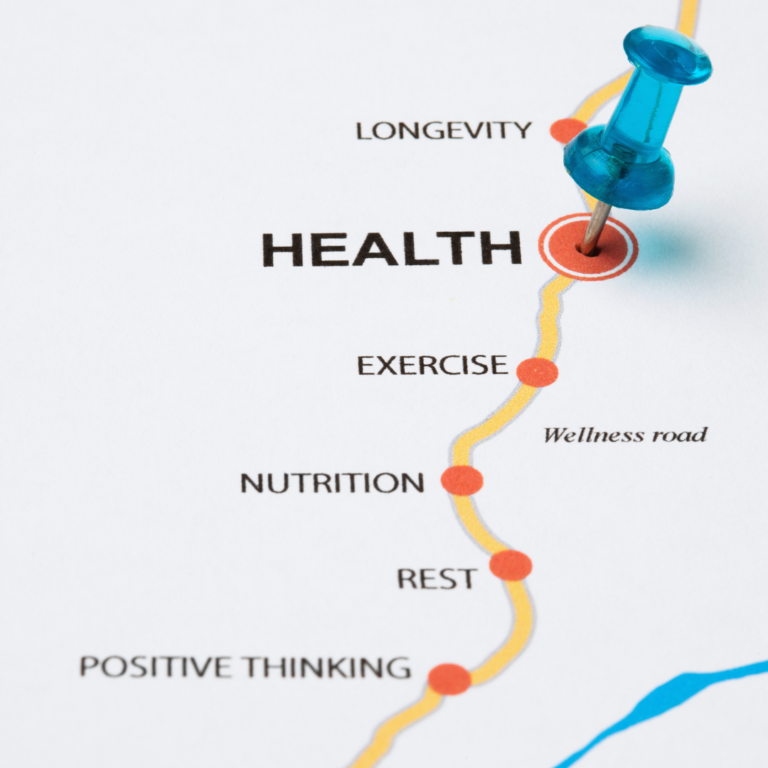
Best Habits for Daily Wellness Maintenance to Boost Your Health and Productivity
Maintaining daily wellness is about consistent habits that support both physical and mental health. Simple actions like staying hydrated, getting regular movement, and prioritizing sleep play a significant role. The best habits for daily wellness focus on balanced nutrition, regular physical activity, adequate rest, and mental mindfulness.
These habits do not require drastic changes but emphasize steady, manageable routines. Crafting a balanced approach promotes lasting well-being rather than quick fixes.
Building these habits creates a foundation that supports energy levels, mood stability, and overall health. Understanding these key elements helps prioritize what truly matters for everyday wellness.
Building Consistent Morning Habits
Starting the day with deliberate actions improves productivity and well-being. Simple adjustments to how you wake, hydrate, and move can set a positive tone that lasts all day.
Wake Up Routine for Mental Clarity
A consistent wake-up time aligns your body’s internal clock, promoting alertness. Avoiding the snooze button helps prevent fragmented sleep and grogginess.
Begin by exposing yourself to natural light immediately after waking. This triggers your brain to release cortisol, a hormone that increases focus and energy. Spending five minutes organizing your day in a journal or planner can also clear mental clutter.
Limit phone use during the first 30 minutes. Instead, practice deep breathing or light stretching. These actions prepare your mind without overstimulation.
Hydration Upon Waking
Water intake first thing in the morning replenishes fluids lost overnight and jumpstarts metabolism. Aim to drink 12-16 ounces of water within 15 minutes of waking.
Adding a slice of lemon can support digestion and provide a mild vitamin C boost. Avoid caffeinated beverages right away; hydration should come before stimulants.
Keep a glass of water accessible by your bed to reduce delay. Hydrating early can improve concentration and reduce cravings later in the day.
Mindful Morning Exercise
Engaging in gentle exercise helps awaken the body and mind. Activities like stretching, yoga, or a brief walk increase blood flow and reduce stiffness.
Schedule 10-20 minutes daily to build consistency. The goal is to activate muscles without fatigue, preparing you for daily tasks.
Combine movement with deep breathing to enhance relaxation. This enhances oxygen delivery and supports stress reduction early in the day.
Nourishing Daily Nutrition
Daily nutrition requires a thoughtful selection of foods that fuel the body efficiently. Proper portioning, attentive eating, and smart snack choices support sustained energy and overall health.
Balanced Meal Planning
Focus on incorporating a variety of food groups at every meal. Aim for a plate composed of half vegetables and fruits, one-quarter lean protein, and one-quarter whole grains. This balance provides essential nutrients and fiber.
Planning meals in advance helps avoid impulse eating and supports consistent nutrient intake. Use tools like a weekly menu or a grocery list with specific items such as spinach, chicken breast, quinoa, and berries.
Limit added sugars and saturated fats by choosing natural, minimally processed foods. Hydrate regularly, including water-rich foods like cucumbers and oranges for added benefits.
Mindful Eating Practices
Mindful eating involves paying close attention to hunger and fullness signals. Eat slowly, chew thoroughly, and avoid distractions like screens during meals to promote better digestion and satisfaction.
Putting aside at least 15–20 minutes for each meal encourages awareness of taste, texture, and portion size. This reduces overeating and supports healthier choices.
Being mindful of emotional triggers that lead to overeating helps establish a better relationship with food. Keeping a food journal can aid in recognizing patterns and adjusting habits accordingly.
Optimal Snack Choices
Choose snacks that combine protein, healthy fats, and fiber to stabilize blood sugar and maintain energy. Examples include Greek yogurt with nuts, an apple with almond butter, or hummus with carrot sticks.
Avoid high-sugar, low-nutrient options that cause energy crashes. Instead, plan snacks as mini-meals to support metabolism throughout the day.
Keep portion sizes moderate—about 150–200 calories—and prepare snacks ahead of time to prevent reliance on convenient but less nutritious options.
Movement and Physical Activity
Regular movement supports physical health, mental clarity, and energy balance. Simple changes to daily routines can improve activity levels, posture, and overall fitness.
Incorporating Activity into Your Day
Aim for at least 150 minutes of moderate exercise weekly, such as brisk walking or cycling. Break sessions into 10-15 minute blocks if needed. Use stairs instead of elevators and walk or bike for short trips.
Schedule movement by setting reminders to stand or stretch every hour. Parking farther from entrances encourages walking more steps daily. Small habits build sustained activity without requiring large time commitments.
Wear a step tracker to monitor progress and motivate consistency. Prioritize activities you enjoy to improve adherence and make movement part of your lifestyle.
Posture and Flexibility Habits
Maintaining proper posture reduces strain on muscles and joints. When sitting, keep feet flat, shoulders relaxed, and monitor at eye level. Avoid slouching or leaning forward for long periods.
Incorporate daily stretching focusing on the neck, back, hips, and shoulders to improve flexibility. Activities like yoga or Pilates enhance both posture and range of motion.
Set up an ergonomic workspace with adjustable chairs and desks. Regular posture checks prevent discomfort and support long-term wellness.
Active Breaks for Sedentary Lifestyles
Prolonged sitting increases health risks. Take active breaks every 30-60 minutes involving 3-5 minutes of light exercise or stretching.
Use standing desks or alternate between sitting and standing when possible. Chair exercises, such as leg lifts or shoulder rolls, promote circulation.
Short walks, even indoors, reactivate muscles and boost alertness. Designate specific times for movement to interrupt sedentary behavior consistently.
Mental Wellness and Stress Reduction
Managing mental wellness involves regular practices that calm the mind and build resilience to stress. Techniques that focus attention, regulate breathing, and encourage reflection can all contribute to better emotional balance and reduced anxiety.
Mindfulness Techniques
Mindfulness means paying deliberate attention to the present moment without judgment. It involves observing thoughts, sensations, and emotions as they arise and pass.
Popular methods include guided meditation, body scans, and mindful walking. Even brief sessions of 5-10 minutes daily can improve concentration and lower stress levels over time.
Key steps in mindfulness practice:
- Find a quiet space.
- Focus on your breath or a single point of attention.
- Gently redirect your mind when it wanders.
This practice encourages acceptance rather than reaction to stress, which helps break automatic negative thought cycles.
Breathing Exercises
Controlled breathing activates the body’s relaxation response. Techniques like diaphragmatic breathing and box breathing help regulate the nervous system.
For example, box breathing involves inhaling for 4 seconds, holding for 4, exhaling for 4, and pausing for 4 seconds before the next breath. This pattern reduces heart rate and promotes calmness.
Regular practice of breathing exercises reduces physical symptoms of stress, such as tension and rapid heartbeat. It is accessible anywhere and requires no equipment, making it a practical stress management tool.
Daily Reflection and Gratitude
Spending a few minutes reflecting on the day encourages awareness of emotions and situations that affect mental wellness. Journaling thoughts or simply reviewing events can clarify stress triggers.
Incorporating gratitude by noting things to appreciate enhances mood and counters negative thinking. This can be as simple as listing three positive moments daily.
A structured daily reflection might look like this:
| Step | Task |
| Reflection | Write or think about the day’s events. |
| Identification | Recognize stressors or positive moments. |
| Gratitude | List things you are grateful for. |
This habit builds emotional resilience by fostering a balanced perspective.
Routine Sleep Hygiene
Sleep hygiene involves practices that promote regular, quality rest. Key strategies include maintaining a stable sleep schedule and engaging in calming activities before bed. These steps can enhance both the ease of falling asleep and the overall restfulness of sleep.
Consistent Sleep Schedule
Going to bed and waking up at the same time every day anchors the body’s internal clock. This stability supports better sleep quality and daytime alertness. Even on weekends, keeping within an hour of your regular times helps prevent disruption of your sleep cycle.
Avoid large variations in sleep timing, as this can confuse your circadian rhythm. It is beneficial to establish a fixed bedtime routine, signaling your body when it is time to prepare for sleep. Consistency improves sleep onset and can reduce insomnia.
Tracking your sleep times for a week can highlight patterns and areas to adjust. Aim for 7-9 hours of sleep nightly, and choose times that allow for this duration within your daily schedule.
Evening Wind-Down Activities
Winding down before sleep prepares the mind and body to transition into rest. Avoid intense physical or mental activities 1-2 hours before bedtime. Instead, adopt calming routines that promote relaxation.
Effective pre-sleep practices include reading a book, gentle stretching, or listening to quiet music. Limiting screen time is critical as blue light suppresses melatonin production and delays sleep onset. Using dim, warm lighting helps signal the body to relax.
Other helpful activities include meditation or deep breathing exercises to reduce stress. Creating a consistent pre-sleep ritual improves the connection between these activities and tiredness, easing the path to restful sleep.
Healthy Hydration Strategies
Maintaining proper hydration involves more than just drinking water. It requires purposeful tracking of intake levels alongside ways to keep water consumption enjoyable and sustainable throughout the day.
Tracking Water Intake
Monitoring daily water intake helps ensure you meet your hydration needs without overdoing it. The general guideline is about 3.7 liters for men and 2.7 liters for women per day, including fluids from all sources.
Use tools like apps or reusable water bottles with volume markers to keep track accurately. Setting reminders can prevent long periods without drinking, especially during busy schedules.
Factors like exercise, climate, and health conditions affect hydration needs, so adjust intake accordingly. Listen to your body for thirst cues, but don’t rely solely on them, as mild dehydration can occur before thirst sets in.
Infusing Water for Variety
Adding natural flavors to water can increase your willingness to drink more throughout the day. Use slices of fruits like lemon, cucumber, or berries to enhance taste without adding sugar or calories.
Herbs such as mint or basil offer subtle, refreshing infusions that also provide mild antioxidants. Prepare infused water in advance and keep it chilled for easy access.
Avoid artificial flavorings or sweeteners, which can detract from hydration benefits. Infused water turns an essential habit into a pleasant routine, making daily consumption easier to maintain consistently.
Cultivating Positive Relationships
Building and maintaining strong connections requires intentional effort in how you communicate and listen. Clear expression and genuine attention foster deeper understanding and trust.
Quality Communication Practices
Effective communication relies on clarity and respect. Use specific language to express your feelings or needs without ambiguity. For example, instead of saying, “You never listen,” say, “I feel unheard when conversations are interrupted.” Avoid assumptions or blaming, which can escalate conflicts.
Nonverbal cues like eye contact, gestures, and tone also influence how messages are received. Being mindful of these can prevent misunderstandings. Setting aside distractions, such as phones, creates a focused space for dialogue.
Consistent feedback, both giving and receiving, helps refine conversations and resolve issues promptly. Prioritize honesty balanced with kindness to maintain respect during difficult talks.
Active Listening Skills
Active listening involves fully focusing on the speaker, not just hearing words. It requires paying attention to tone, body language, and emotional context. Avoid interrupting; instead, wait until the speaker finishes before responding.
Paraphrasing or summarizing what was said confirms understanding. Asking open-ended questions encourages elaboration and shows interest, such as “Can you tell me more about how that made you feel?”
Managing internal distractions or judgments is crucial. Listening without planning a rebuttal or making premature conclusions helps maintain an open mind. This practice strengthens empathy and connection.
Tech and Screen Time Management
Managing screen time effectively involves setting clear limits and creating intentional breaks from devices. It helps reduce eye strain, improve focus, and support mental well-being.
Establishing Digital Boundaries
Set specific hours for device use, especially in the mornings and before bedtime. This can prevent overstimulation and support healthier sleep patterns. Use built-in tools like screen time trackers to monitor and limit usage on smartphones or computers.
Create separate spaces for work and leisure technology. Avoid using devices in the bedroom or during meals to maintain clear physical and mental boundaries. Turning off non-essential notifications reduces distractions and improves concentration.
If possible, schedule short breaks after every hour of screen use to rest your eyes and stretch. This prevents fatigue and promotes physical comfort during prolonged tech use.
Encouraging Device-Free Moments
Incorporate regular periods where no screens are allowed, such as during meals or social gatherings. This encourages meaningful interaction and reduces dependence on digital devices.
Establish “tech-free zones” in your home, like the dining area or bedroom. Use signage or reminders to reinforce these habits, helping everyone in the household stay consistent.
Balance technology use with offline activities such as reading, walking, or hobbies. This helps diversify your routine and supports mental and physical wellness beyond screen time.
Maintaining Clean and Organized Environments
A clean and organized space supports mental clarity and reduces stress. Simple, consistent habits can make upkeep manageable and prevent messes from accumulating. Focus on establishing routines and removing unnecessary items to enhance wellness.
Daily Tidying Routines
Set aside 10 to 15 minutes each day for tidying to avoid overwhelming clutter. Prioritize high-traffic areas like the kitchen and living room. Tasks such as wiping surfaces, putting away dishes, and organizing mail keep spaces functional.
Create a checklist with specific actions:
- Declutter countertops
- Fold blankets and cushions
- Empty trash bins
Consistency is key. Small daily efforts prevent large cleanups later and maintain a pleasant environment.
Reducing Clutter for Wellness
Excess clutter can increase anxiety and distract focus. Regularly evaluate items and remove what is not needed. Use these practical steps:
| Action | Purpose |
| Donate unused items | Create space and help others |
| Store items logically | Improve accessibility and order |
| Limit incoming goods | Prevent future clutter buildup |
Adopt minimalist principles like keeping flat surfaces clear and limiting decorative objects. This reduces visual noise and promotes a calmer environment.
Personal Development and Lifelong Learning
Maintaining consistent growth requires deliberate actions focused on clear objectives and self-awareness. Progress is best supported by measurable targets and regular evaluation of personal experiences.
Setting Achievable Goals
Effective goal-setting relies on specificity and realism. Goals should be SMART: Specific, Measurable, Achievable, Relevant, and Time-bound. This framework prevents overwhelming ambitions and fosters steady progress.
Start by breaking large objectives into smaller, manageable tasks. For example, instead of “improve fitness,” aim to “exercise 30 minutes, 3 times a week.” This approach enhances motivation by providing clear steps and deadlines.
Tracking progress visually, such as using checklists or apps, reinforces commitment. Adjust goals when necessary to stay aligned with changing priorities or circumstances, ensuring continued engagement.
Daily Reflection for Growth
Reflection involves reviewing daily actions and decisions to identify learning opportunities. Allocate 5-10 minutes each evening for honest assessment without judgment.
Ask specific questions like, “What did I accomplish today?” or “What challenges did I face, and how did I respond?” This sharpens self-awareness and highlights areas for improvement.
Use a journal or digital notes to record insights. Over time, these reflections reveal patterns and guide adjustments in habits, mindsets, or goals, supporting continuous personal development.