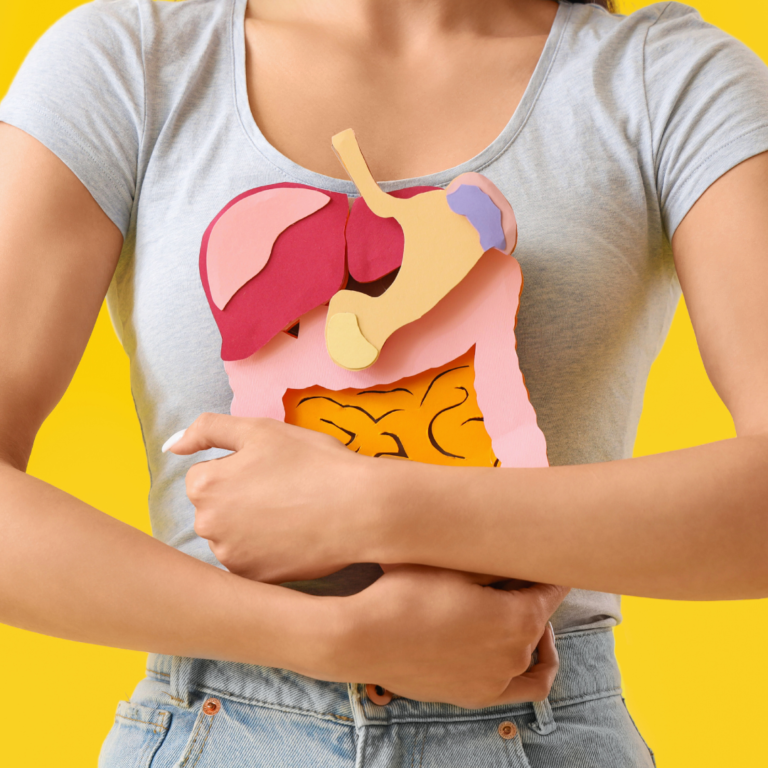
Best Tips for Supporting Natural Detox Effectively and Safely
Supporting your body’s natural detox process involves simple, consistent habits you can easily adopt. Staying hydrated, eating whole foods rich in fiber, and getting enough rest are key to effective natural detoxification. These practices help your liver, kidneys, and digestive system function optimally.
Avoiding excessive processed foods and limiting alcohol intake also support detox efforts by reducing the toxic load your body must handle. Small lifestyle changes make a meaningful difference in enhancing your body’s natural cleaning mechanisms.
Understanding Natural Detox
Natural detoxification involves processes the body uses to remove harmful substances. These processes depend on specific organs and biochemical pathways working efficiently.
What Is Natural Detoxification
Natural detoxification is the body’s way of breaking down and eliminating toxins from environmental sources, food, and internal metabolism. It is a continuous process, not a one-time event.
Toxins include chemicals, heavy metals, and metabolic waste that can accumulate and interfere with normal body functions. Natural detoxification helps maintain balance by managing these substances.
It mainly targets fat-soluble substances that the body stores and transforms into water-soluble forms for easier elimination through urine, sweat, or feces.
How the Body Detoxes Naturally
The liver is the primary organ responsible for detoxification, using two key phases: Phase 1 uses enzymes to oxidize toxins, while Phase 2 attaches molecules to make toxins water-soluble for excretion.
Other organs involved include the kidneys, lungs, skin, and digestive system. The kidneys filter waste from the blood; the lungs expel volatile compounds; the skin eliminates some toxins via sweat.
Efficient detoxification relies on proper hydration, nutrient intake (like antioxidants), and healthy organ function to support these complex biochemical reactions.
Benefits of Supporting Natural Detox
Supporting the body’s detox processes can improve overall health by reducing toxin buildup that may interfere with organ function.
It may enhance energy levels, immune response, and mental clarity. Proper support ensures the detox organs operate without strain or damage.
Additionally, optimized detoxification can reduce oxidative stress and inflammation, factors linked to chronic disease development. Maintenance of detox pathways contributes to long-term wellness.
Key Lifestyle Habits for Natural Detox
Adopting consistent habits can help the body efficiently eliminate toxins. These revolve around supporting organ function, maintaining balance, and enhancing metabolic processes.
Staying Hydrated
Water is essential for flushing out waste through urine and sweat. Drinking enough fluids helps the kidneys filter harmful substances and supports liver function.
Aim for at least 8 glasses (about 2 liters) of clean water daily. You may need more if physically active or in hot climates. Avoid sugary drinks and excessive caffeine, as they can strain the kidneys and dehydrate the body.
Herbal teas and water-rich foods like cucumbers and watermelon contribute to hydration. Monitor urine color—a pale yellow suggests adequate hydration, while dark urine signals the need for more fluids.
Prioritizing Quality Sleep
Sleep allows the brain and body to repair and eliminate toxins. During deep sleep, the glymphatic system clears metabolic waste from brain cells, reducing toxin buildup.
Aim for 7 to 9 hours of uninterrupted sleep nightly. Establish a relaxing pre-sleep routine and maintain a consistent bedtime. Minimize exposure to screens and bright lights before sleeping, as blue light disrupts melatonin production.
Create a cool, dark, and quiet sleeping environment. Quality sleep supports immune function and hormone regulation, enhancing detoxification processes.
Engaging in Regular Physical Activity
Exercise boosts circulation, promotes sweating, and stimulates lymphatic drainage, all important for detoxification. Movement increases oxygen supply and accelerates metabolism.
Aim for at least 150 minutes of moderate exercise per week, including cardiovascular and strength training. Activities like walking, swimming, or cycling can improve lymph flow and toxin elimination.
Sweating during exercise helps expel water-soluble toxins. However, always hydrate adequately before and after workouts to replace lost fluids and support kidney function.
Nutritional Approaches to Boost Detoxification
Optimizing diet involves selecting foods that enhance liver function, minimize toxin intake, and support digestive health. Proper choices can enhance the body’s natural ability to process and eliminate waste efficiently. Paying attention to what you eat plays a crucial role in detoxification support.
Incorporating Detoxifying Foods
Certain foods contain compounds that support phase 1 and phase 2 liver detoxification enzymes. Cruciferous vegetables like broccoli, Brussels sprouts, and cauliflower provide sulforaphane, which helps activate detox enzymes. Leafy greens such as kale and spinach are rich in chlorophyll, aiding in neutralizing toxins.
Foods high in antioxidants—berries, nuts, and green tea—reduce oxidative stress during detox processes. Garlic, onions, and turmeric contain sulfur and curcumin, key to enhancing liver detox pathways. Hydration with plenty of water and herbal teas further facilitates toxin elimination through urine and sweat.
Avoiding Processed and Sugary Foods
Processed foods often contain additives, preservatives, and artificial ingredients that burden the liver. Consuming excessive sugar increases fat accumulation in the liver, impairing its detox function. High-fructose corn syrup and refined carbohydrates promote inflammation and insulin resistance, hindering metabolic detox processes.
Limiting packaged snacks, fast foods, and sugary drinks reduces intake of harmful chemicals and supports steady blood sugar levels. Instead, focus on whole, minimally processed foods to decrease toxin exposure and metabolic stress.
Supporting Gut Health with Fiber
Dietary fiber aids detox by improving bowel regularity and binding toxins in the digestive tract. Soluble fiber from oats, beans, and apples ferments in the gut, nourishing beneficial bacteria. This supports the microbiome’s role in metabolizing and excreting toxic substances.
Insoluble fiber from whole grains, nuts, and vegetables accelerates transit time, preventing toxin reabsorption. Including both types daily—about 25–30 grams—ensures comprehensive gut detox support. Probiotic foods like yogurt and fermented vegetables further improve gut barrier function and immune response.
Reducing Exposure to Toxins
Minimizing contact with harmful substances is crucial to support the body’s natural detox processes. This involves careful choices regarding everyday products, environmental awareness, and personal care habits.
Choosing Clean Household Products
Household cleaners, detergents, and air fresheners often contain volatile organic compounds (VOCs), synthetic fragrances, and other chemicals that can disrupt health. Opt for products labeled non-toxic, biodegradable, and fragrance-free to reduce exposure.
Using natural alternatives like vinegar, baking soda, and lemon for cleaning can be effective and safer. Check ingredient lists closely to avoid phthalates, parabens, and ammonia.
Proper ventilation during and after cleaning also helps limit inhalation of any residual chemicals.
Limiting Environmental Pollutants
Air and water pollution contribute significantly to the toxic load. Use air purifiers with HEPA filters to capture particulate matter indoors. Avoid areas with heavy traffic or industrial emissions when possible.
Filtering tap water with carbon or reverse osmosis filters can reduce contaminants like chlorine, heavy metals, and pesticides. Regularly checking local pollution indexes helps plan safer outdoor activities.
Reducing plastic use also lowers exposure to chemicals like BPA and microplastics commonly found in the environment.
Mindful Use of Personal Care Products
Personal care items often contain synthetic ingredients that may accumulate in the body over time. Choose products free from parabens, sulfates, phthalates, and synthetic dyes.
Focus on minimalist skincare routines using products with natural or organic certifications. Avoid aerosol sprays, which can release inhalable toxins.
Patch testing new products before full use can prevent adverse reactions. Always read labels thoroughly to ensure ingredients align with detox-supportive choices.
Supporting Liver and Kidney Function
Supporting liver and kidney health relies on specific nutrients and natural compounds that improve their detoxification processes. Proper intake of certain vitamins, minerals, and botanicals can enhance the breakdown and elimination of toxins effectively.
Nutrients that Aid Liver Detox
The liver requires a variety of nutrients to optimize its detoxification pathways. Vitamin C acts as a powerful antioxidant that protects liver cells from damage caused by free radicals. B vitamins, especially B6, B12, and folate, support methylation, which is critical for processing toxins.
Glutathione, a key antioxidant produced by the liver, depends on adequate intake of sulfur-containing amino acids such as cysteine, found in foods like garlic, onions, and broccoli. Zinc and selenium also contribute to antioxidant defense systems that maintain liver function.
Hydration with clean water is essential to support kidney filtration and waste removal. Maintaining balanced electrolyte levels through minerals like magnesium and potassium supports both liver enzyme activity and kidney function.
Herbs and Supplements for Detox Support
Certain herbs have demonstrated benefits in supporting liver and kidney detox. Milk thistle contains silymarin, which has antioxidant and anti-inflammatory properties. It promotes the regeneration of liver cells and may improve liver enzyme levels.
Dandelion root is a natural diuretic that helps increase urine production, aiding kidney function and toxin elimination. It also supports bile flow, which is important for fat digestion and liver detox processes.
Other supplements like turmeric, which contains curcumin, and artichoke leaf extract help reduce oxidative stress and stimulate bile production. When using herbs or supplements, it’s important to consult healthcare providers, especially if other medications are involved.
The Role of Stress and Mental Well-being
Stress and mental well-being significantly influence the body’s ability to detoxify naturally. Reducing chronic stress and incorporating relaxation techniques can improve overall physical health and support detox processes.
Managing Chronic Stress
Chronic stress triggers the release of cortisol, which can impair liver function and reduce the body’s ability to process toxins efficiently. Long-term elevated cortisol levels may also increase inflammation, hindering natural detox pathways.
Effective stress management includes regular physical activity, maintaining a consistent sleep schedule, and setting healthy boundaries to avoid overload. Tracking stress triggers and addressing them proactively can prevent the harmful effects of ongoing stress.
Practical tools such as journaling, scheduling downtime, and seeking social support enhance resilience. Minimizing chronic stress creates a physiological environment conducive to detoxification by promoting better hormonal balance and immune function.
Practicing Mindfulness and Relaxation Techniques
Mindfulness and relaxation techniques lower stress hormones and activate the parasympathetic nervous system, which supports digestion and detoxification. Practices such as deep breathing, progressive muscle relaxation, and meditation are effective in calming the mind.
Regular mindfulness practice helps improve focus and reduce emotional reactivity. Even 10 minutes a day can lead to measurable changes in brain areas related to stress regulation.
Incorporating these techniques into daily routines enhances mental clarity and supports the body’s natural cleansing mechanisms. Apps, guided sessions, or group classes can provide structure and accountability when starting these practices.
Monitoring Progress and Recognizing Signs of Detox
Tracking changes during detox helps identify if your body is adjusting well. Noticing specific physical or emotional signs can guide your next steps. Awareness of symptoms and knowing when to get expert help ensures safety and effectiveness.
Listening to Your Body
Pay close attention to energy levels, digestion, and mood shifts. Mild headaches, fatigue, or skin changes may indicate your body is processing toxins. These are usually temporary and improve with hydration and rest.
Record symptoms daily. Note patterns tied to diet or environment. If discomfort worsens or persists beyond a week, it could signal an imbalance. Sudden nausea, dizziness, or severe headaches require immediate attention.
Use simple tools like journals or apps to monitor sleep quality, bowel movements, and emotional state. Adjust detox practices based on this feedback to avoid unnecessary strain.
When to Seek Professional Guidance
Consult a healthcare provider if symptoms include intense headaches, extreme fatigue, rapid weight loss, or prolonged digestive upset. These may point to underlying health issues or an overly aggressive detox.
People with chronic conditions such as diabetes, kidney problems, or autoimmune diseases should consult a doctor before continuing. Professionals can recommend tests to rule out complications.
Seek advice if mental health symptoms worsen. Anxiety, depression, or confusion during detox are signs to pause and obtain support. Proper medical guidance ensures detoxification does not harm overall health.
Conclusion
Supporting your body’s natural detox processes requires consistent, simple actions. Hydration, balanced nutrition, and regular physical activity form the foundation of effective detox support.
Incorporating foods rich in antioxidants and fiber aids in toxin elimination and promotes digestive health. Avoiding excess alcohol, processed foods, and environmental toxins also plays a crucial role in reducing the burden on detox organs.
Small lifestyle adjustments, such as managing stress and ensuring adequate sleep, contribute significantly to overall detox capacity. These practices help maintain the efficiency of the liver, kidneys, and lymphatic system.
| Key Tips for Natural Detox Support |
| Drink plenty of water daily |
| Eat fiber-rich fruits and vegetables |
| Maintain regular physical activity |
| Limit intake of processed and high-sugar foods |
| Prioritize restful sleep and stress management |
By focusing on fundamental health habits, the body’s natural detoxification can function optimally without the need for complex or extreme measures. This balanced approach supports overall well-being effectively and sustainably.