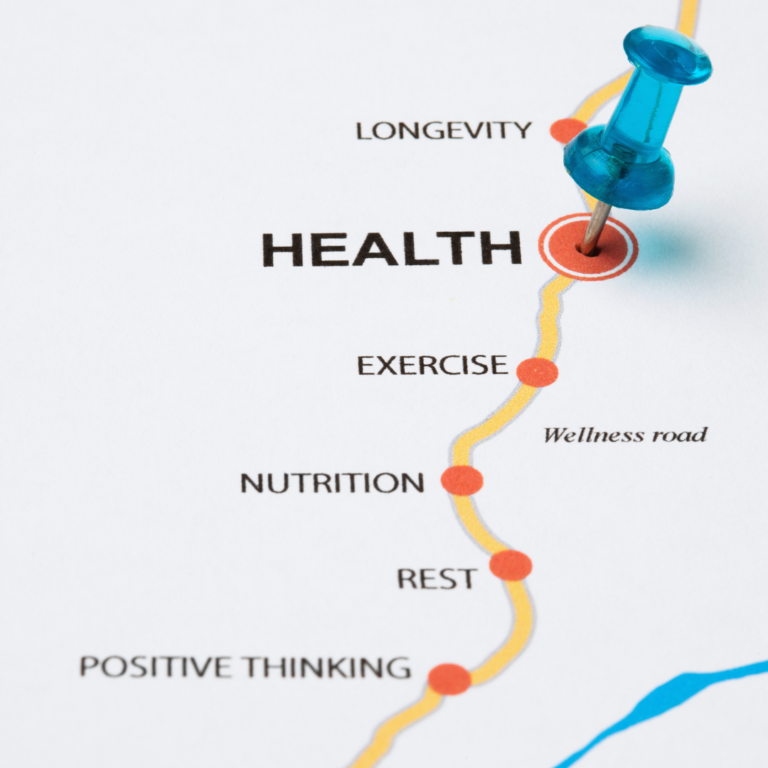
How to Maintain Good Health at Any Age with Practical Tips for Lifelong Wellness
Maintaining good health is essential regardless of age, and simple, consistent habits can make a significant difference. Focusing on balanced nutrition, regular physical activity, adequate sleep, and mental well-being supports health throughout all stages of life.
Adapting your lifestyle to meet the changing needs of your body can prevent many common health issues. Small adjustments in daily routines can lead to lasting improvements and help sustain overall wellness.
Understanding what your body requires at different ages allows you to stay proactive rather than reactive. This approach empowers you to take control of your health and live a more vibrant life.
Understanding the Foundations of Good Health
Good health depends on maintaining balance across multiple areas, including physical activity, nutrition, mental well-being, and preventive care. Each factor plays a critical role in sustaining wellness throughout life and adapting to changing needs.
The Importance of Holistic Wellness
Holistic wellness involves caring for the body, mind, and environment as interconnected parts. Physical health strengthens resilience against illness, but mental health boosts motivation and quality of life. Stress management techniques like mindfulness, regular exercise, and sufficient sleep are essential.
Nutrition should include a variety of whole foods rich in vitamins, minerals, fiber, and healthy fats. Avoiding toxins such as tobacco and excess alcohol supports overall body function. Social connections contribute positively by reducing isolation and encouraging healthy habits.
Key Health Principles for All Ages
Consistent physical activity is critical, with at least 150 minutes of moderate exercise weekly advised for adults. Hydration, balanced meals, and routine medical screenings help detect and prevent conditions early. Maintaining a healthy weight reduces the risks of diabetes, heart disease, and joint problems.
Mental wellness requires managing stress and seeking support when needed. Cognitive activities, such as reading or puzzles, promote brain health. Adequate sleep—7 to 9 hours per night for most adults—is vital for repair and immune function.
How Age Impacts Health Needs
Health needs evolve as the body ages, requiring adjustments in lifestyle and care. Older adults often need more calcium and vitamin D to maintain bone density and should focus on balance exercises to prevent falls. Metabolism slows, so calorie intake may decrease, but nutrient density becomes more important.
Chronic conditions become more common with age, making medication management and regular health monitoring crucial. Mental health risks, including depression and cognitive decline, may increase; addressing these early is vital. Tailoring health practices to age-specific needs enhances quality of life and longevity.
Nutrition Strategies for Lifelong Health
Maintaining good nutrition requires understanding essential food groups, adjusting dietary needs over time, and ensuring proper fluid intake. Each aspect supports body function, energy levels, and disease prevention throughout life.
Balanced Diet Essentials
A balanced diet emphasizes nutrient-dense foods rich in vitamins, minerals, protein, healthy fats, and fiber. Prioritize:
- Vegetables and fruits: Aim for half your plate, focusing on a variety of colors for diverse nutrients.
- Whole grains: Choose brown rice, oats, and whole wheat over refined grains to improve digestion and heart health.
- Protein sources: Include lean meats, fish, beans, nuts, and dairy to maintain muscle and immune function.
- Healthy fats: Use olive oil, avocado, and nuts, limiting saturated and trans fats found in processed foods.
Limit added sugars and sodium. Read labels carefully to reduce excess intake, which contributes to obesity and hypertension.
Adapting Nutrition as You Age
Nutritional needs shift due to metabolism changes, bone density decline, and altered digestion. Older adults should increase intake of:
- Calcium and vitamin D: Critical for bone health, found in low-fat dairy, leafy greens, and fortified products.
- Protein: Helps maintain muscle mass and prevent frailty; aim for 1.0-1.2 grams per kilogram of body weight daily.
- Fiber: Supports digestion and reduces cholesterol; include legumes, fruits, and vegetables.
Reduce calories to match lower energy expenditure but maintain nutrient density. Adjust portion sizes and meal frequency to manage appetite and blood sugar.
Hydration Best Practices
Water supports every system in the body and prevents dehydration, particularly important as the thirst sensation decreases with age.
Recommendations:
- Aim for 8 cups (64 ounces) daily, but adjust for activity, climate, and health conditions.
- Sources include water, herbal teas, and water-rich foods like cucumbers and oranges.
- Limit sugary drinks and caffeine, which can have dehydrating effects.
Monitor urine color for hydration status: pale yellow indicates proper hydration, while dark yellow suggests the need for more fluids.
Incorporating Regular Physical Activity
Physical activity influences numerous aspects of health, from heart function to mental well-being. Tailoring exercise to one’s age and maintaining a routine are essential for long-term benefits.
Benefits of Exercise Across Lifespans
Exercise improves cardiovascular health, muscle strength, and bone density at any age. In children and adolescents, it supports growth, coordination, and mental health.
For adults, regular activity helps manage weight, reduces the risk of chronic diseases, and improves mood. Older adults benefit from exercise through better balance, mobility, and cognitive function, which lowers fall risk and supports independence.
Exercise also promotes better sleep and can ease symptoms of depression and anxiety in all age groups. The intensity and type of benefits vary, but staying active consistently yields measurable health improvements.
Choosing Age-Appropriate Activities
Selecting exercises that match physical capabilities helps prevent injury and promotes enjoyment. For young children, play-based activities like running, jumping, and swimming build basic motor skills.
Adults may focus on aerobic activities, strength training, and flexibility exercises to maintain fitness. Options like walking, cycling, and weight training are effective and adaptable to different fitness levels.
Older adults should prioritize low-impact exercises, including tai chi, water aerobics, and gentle stretching. These improve balance and joint health while minimizing strain.
Adapting activity type and intensity to individual needs ensures safety and maximizes benefits.
Tips for Staying Consistent with Exercise
Set realistic goals and create a schedule to build a habit. Incorporate physical activity into daily routines, such as walking during breaks or using stairs instead of elevators.
Find activities that are enjoyable to increase motivation. Partnering with friends or joining groups fosters accountability.
Track progress using apps or journals to maintain focus. Adjust routines to prevent boredom and accommodate changes in health or schedule.
Consistency improves outcomes, so focus on regular small efforts rather than infrequent intense sessions.
Preventive Health and Regular Screenings
Regular health assessments help identify potential issues early. Knowing when and which screenings to get can reduce risks and improve management of health conditions.
Routine Checkups and Why They Matter
Routine checkups are essential at any age. They allow health providers to monitor vital signs, update vaccinations, and address new symptoms.
During these visits, doctors assess blood pressure, cholesterol, and blood sugar levels to catch conditions like hypertension and diabetes early. They review lifestyle habits, such as diet and exercise, to tailor advice.
Checkups also help build a health history, making emergency care more effective. Partners in care can spot subtle changes before symptoms worsen, enabling timely intervention.
Age-Specific Screening Recommendations
Screening needs change as people age. Below is a basic guide to common screenings by age group:
| Age Group | Key Screenings |
| 20-39 | Blood pressure, cholesterol (if risk factors), Pap smear (women), skin checks |
| 40-64 | Mammograms, colonoscopy, cholesterol, diabetes screening, and blood pressure |
| 65 and older | Bone density tests, vision and hearing exams, colorectal cancer screening, flu and pneumonia vaccines |
Most adults should have a colonoscopy starting at age 45 or earlier if family history suggests risk. Women typically begin mammograms at 40 to 50 years old. Men over 50 may discuss prostate cancer screening with their doctor.
Adjust screenings based on personal and family medical history. Regularly updating health status with professionals ensures preventive care matches current needs.
Mental and Emotional Well-Being
Maintaining mental and emotional health involves managing daily pressures, fostering connections with others, and actively supporting brain function. These practices help sustain resilience and clarity in all stages of life.
Stress Management Techniques
Effective stress management prevents chronic health problems and improves overall well-being. Techniques such as deep breathing, meditation, and progressive muscle relaxation reduce physical tension and lower cortisol levels.
Regular physical activity also plays a significant role in managing stress by releasing endorphins, known as natural mood lifters. Establishing a consistent routine of at least 30 minutes of moderate exercise, such as walking or cycling, can make a noticeable difference.
Prioritize sleep quality, as poor sleep increases stress sensitivity. Limit screen time before bed, maintain a regular sleep schedule, and create a calming bedtime ritual to support restorative rest.
Building Healthy Social Connections
Strong social ties contribute to emotional stability, lower rates of depression, and longer life expectancy. Engaging with friends, family, or community groups provides support during difficult times.
Focus on relationships that offer mutual respect and positive communication. Schedule regular interactions, such as weekly calls or meetups, to maintain these bonds.
Volunteering is another way to expand social networks and gain purpose. Find local organizations or online communities where shared interests align to foster meaningful engagement.
Cognitive Health Maintenance
Keeping the brain active helps delay cognitive decline and supports memory and decision-making abilities. Activities like puzzles, reading, and learning new skills stimulate neural pathways.
A balanced diet rich in antioxidants, omega-3 fatty acids, and vitamins supports brain function. Foods such as leafy greens, fatty fish, and berries contribute to cognitive health.
Adequate sleep and regular physical activity further promote neurogenesis and improve concentration. Consistent mental stimulation combined with a healthy lifestyle forms the foundation of long-term cognitive maintenance.
Quality Sleep and Restorative Habits
Good sleep depends on consistent routines and adjustments for age-related changes. Managing the environment and behaviors around sleep improves quality and supports health across life stages.
Establishing Healthy Sleep Routines
Set a fixed bedtime and wake-up time, even on weekends. This regulates the body’s internal clock and promotes deeper sleep. Create a calming pre-sleep routine, such as reading or gentle stretching, to signal to your body that it’s time to rest.
Limit exposure to screens at least 30 minutes before bed to reduce blue light interference. Keep your bedroom cool, dark, and quiet. Avoid heavy meals, caffeine, and intense exercise within a few hours of bedtime.
Use consistent habits like:
- Going to bed at the same time daily
- Engaging in relaxing activities before sleep
- Managing light and noise levels
These practices foster restorative sleep, essential for physical and mental health.
Sleep Challenges at Different Ages
Sleep patterns shift at different life stages. Children and adolescents need more sleep, typically 9-11 hours, while adults require about 7-9 hours. Older adults often experience lighter sleep and wake more frequently due to hormonal changes and health issues.
Common challenges include:
| Age Group | Typical Sleep Issues | Tips |
| Children/Teens | Difficulty falling asleep, delayed sleep phase | Establish routines, limit screen time |
| Adults | Stress-related insomnia, sleep apnea | Stress management, medical evaluation |
| Older Adults | Frequent awakenings, reduced deep sleep | Bright light exposure, physical activity |
Adapting sleep strategies according to age helps maintain effective rest and supports ongoing health.
Managing Chronic Conditions Effectively
Proper control of chronic conditions requires timely action and active collaboration with medical professionals. Adhering to monitoring schedules and understanding your treatment plan are essential steps to reduce complications and maintain daily function.
Early Detection and Management
Detecting chronic conditions early allows for interventions that can slow disease progression. Regular screenings for blood pressure, cholesterol, blood sugar levels, and other relevant markers should be part of routine health care.
When a condition is diagnosed, following prescribed treatments and lifestyle modifications helps control symptoms. Tracking these elements through journals or digital apps can provide useful data to adjust management strategies.
Promptly addressing symptoms or changes prevents exacerbations. Ignoring warning signs often leads to emergency care, which can be avoided with earlier action and consistent monitoring.
Partnering with Healthcare Providers
Establishing a strong relationship with healthcare providers is crucial. Share accurate details about symptoms, medication adherence, and lifestyle habits during appointments to receive appropriate recommendations.
Discuss any side effects or challenges with treatments openly. Providers can adjust medications or offer additional support to enhance effectiveness and reduce risks.
Schedule regular follow-ups to review condition status and update care plans. Use these visits to clarify doubts and ensure understanding of your disease management.
| Tips for Effective Healthcare Collaboration |
| Prepare questions before appointments |
| Keep an updated list of medications |
| Record symptoms or concerns between visits |
| Follow up on tests or referrals promptly |
Lifestyle Choices that Support Longevity
Making informed daily decisions profoundly impacts lifespan and quality of life. Key factors include minimizing damaging behaviors and engaging in regular health maintenance.
Avoiding Harmful Habits
Eliminating tobacco use is critical. Smoking increases risks for lung disease, heart problems, and multiple cancers. If quitting is difficult, seek support through counseling or medication.
Limiting alcohol consumption to moderate levels reduces liver damage and lowers the chances of accidents. The recommended limit is one drink per day for women and two for men.
Avoiding excessive processed foods and added sugars supports metabolic health. Consuming more whole foods like vegetables, fruits, and lean proteins helps maintain a healthy weight and energy levels.
Regular physical inactivity also contributes to chronic illnesses. Incorporating at least 150 minutes of moderate exercise weekly is advised.
The Role of Preventive Self-Care
Routine medical screenings catch early signs of disease. Examples include blood pressure checks, cholesterol tests, cancer screenings, and vaccinations.
Monitoring daily habits like sleep and stress management is important. Aim for 7-9 hours of quality sleep to support immune function and cognitive health.
Incorporate mindfulness or relaxation techniques to reduce cortisol levels. Chronic stress can accelerate aging and increase susceptibility to illness.
Maintaining hydration and skin care protects organs and reduces the risk of infections. Drink plenty of water and use appropriate skin moisturizers.
Adapting to Changing Health Needs Over Time
Adapting health routines requires attention to subtle shifts in energy levels, physical capabilities, and mental wellness. Understanding these changes helps tailor habits that support overall well-being throughout different life stages.
Listening to Your Body
Monitoring physical signals is essential. Persistent fatigue, unusual pain, or changes in appetite may indicate the need for adjustments in diet, exercise, or sleep habits. For example, as metabolism slows with age, caloric needs often decrease, but nutrient requirements like calcium and vitamin D increase.
Tracking symptoms daily can reveal patterns. Using journals or apps to log pain intensity, mood, or sleep quality helps pinpoint when lifestyle changes are necessary. Regularly assessing flexibility and strength guides when to modify exercise routines to prevent injuries.
Being proactive about minor symptoms reduces risks of chronic conditions. Paying attention to mental health signs, such as increased anxiety or memory lapses, is equally important. Early responses to these signals maintain quality of life and independence.
Seeking Professional Guidance
Regular health check-ups ensure timely identification of evolving needs. Professionals provide personalized advice based on age, medical history, and test results, which is crucial for managing chronic illnesses or preventing new ones.
Specialists—such as dietitians, physical therapists, or mental health counselors—offer targeted support. For example, a dietitian can recommend tailored nutrient intake adjustments, while a physical therapist designs safe exercise plans accommodating joint or mobility issues.
Medication reviews are critical as prescriptions often change with age. Collaborating with healthcare providers to assess side effects or interactions improves effectiveness and safety. Open communication with professionals allows for realistic goal setting and adjustment plans.
| Reason to Seek Guidance | Benefit |
| New or worsening symptoms | Early diagnosis and treatment |
| Lifestyle changes (e.g., diet) | Customized and effective recommendations |
| Medication management | Minimized side effects and interactions |
Building a Sustainable Health Routine
Creating a sustainable health routine starts with consistency rather than intensity. Small, manageable changes are easier to maintain over time.
Begin by setting realistic goals. For example, aim to exercise for 20-30 minutes a day, three to five times a week. This can include walking, cycling, or any activity you enjoy.
Nutrition plays a key role. Focus on whole foods like vegetables, fruits, lean proteins, and whole grains. Avoid extreme diets; instead, practice balance and moderation.
Sleep quality should not be overlooked. Adults need 7-9 hours nightly, which supports recovery and cognitive function.
Use this simple checklist to track your routine:
| Activity | Frequency | Notes |
| Physical activity | 3-5 times per week | Choose enjoyable exercises |
| Balanced meals | Daily | Include all food groups |
| Sleep | 7-9 hours nightly | Maintain a regular bedtime |
| Hydration | 8 cups daily | Drink water consistently |
Routine building requires monitoring progress and adjusting when needed. Regular check-ins help identify barriers and celebrate successes.
Stay flexible and allow room for occasional breaks. A rigid plan can become discouraging and hard to maintain.
Incorporate variety to prevent boredom. Changing up activities and meal choices supports mental and physical engagement.